
Leica Q3 Lens & Sensor Module after Tear Down
Don’t do this at home…you might destroy your expensive Leica :)

Don’t do this at home…you might destroy your expensive Leica :)
Here are the 7 cameras from 2016, with a short, straight-to-the-point reason why each one is still great in 2026:
Panasonic Lumix TZ80 (ZS60) – A travel-zoom compact with absurd reach and an EVF; still a better buy than its newer replacement thanks to the same lens/sensor combo and lower price.
DxO ONE – A wonderfully weird pocket camera with a 1-inch sensor and DxO’s unique “Super RAW” stacking, delivering surprisingly clean low-light images in a tiny, incognito form.
Panasonic Lumix G80 (G85) – A rugged Micro Four Thirds workhorse with IBIS, weather sealing, solid video, and reliability that still holds up for travel and outdoor shooting.
Z CAM E1 – The world’s smallest interchangeable-lens 4K cinema camera; quirky, fun, and creatively liberating, especially for experimental video and compact setups.
Panasonic Lumix LX10 / LX15 – A premium compact with a fast Leica f/1.4–2.8 lens and 1-inch sensor; beautiful, pocketable, and still highly capable for both photo and 4K video.
Panasonic Lumix GX80 / GX85 – A near-perfect Micro Four Thirds all-rounder: small, stylish, affordable, with IBIS and excellent image quality that embodies the system’s strengths.
Olympus PEN-F – A design icon and one of the best photo-centric Micro Four Thirds cameras ever made, with superb build quality, color profiles, and timeless appeal.
If you want charm, character, and real value in 2026, this era absolutely delivered.
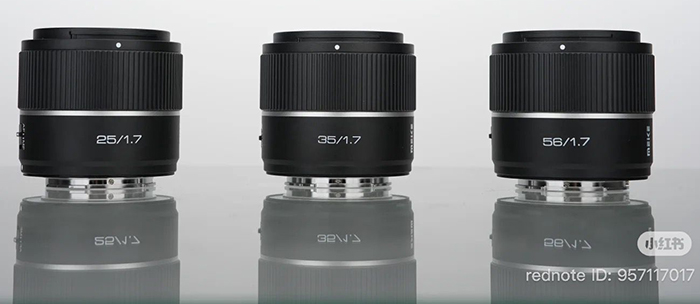
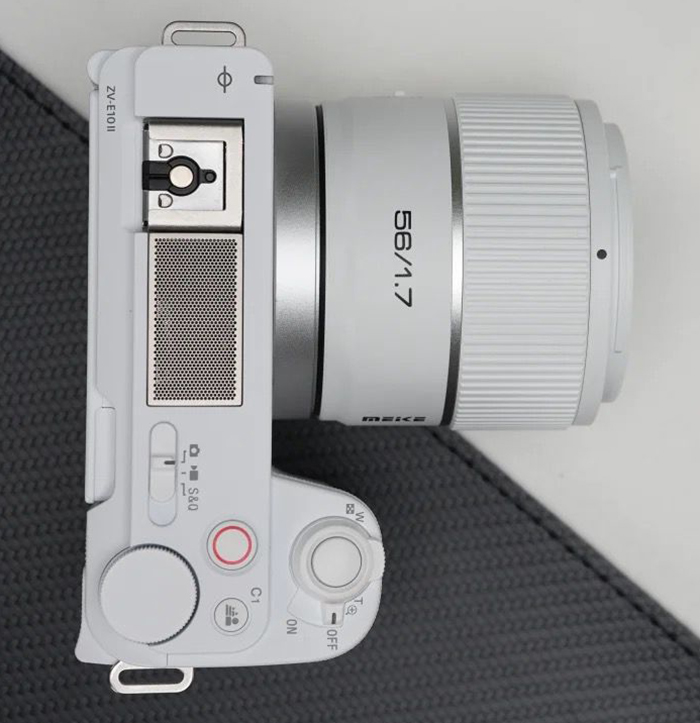
Here are the first images of the new Meike AIR lenses. These are three lightweight APS-C E/X/Z-mount autofocus lenses:
They come in both Black and White finish. Here is an image of the white lens:
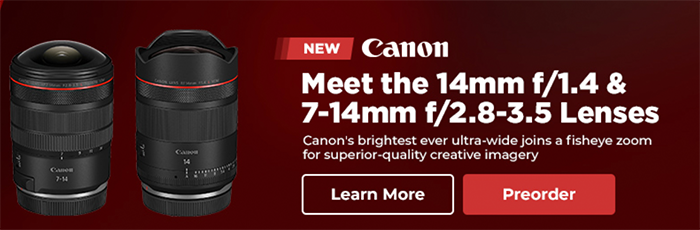
Canon announced the following new products:
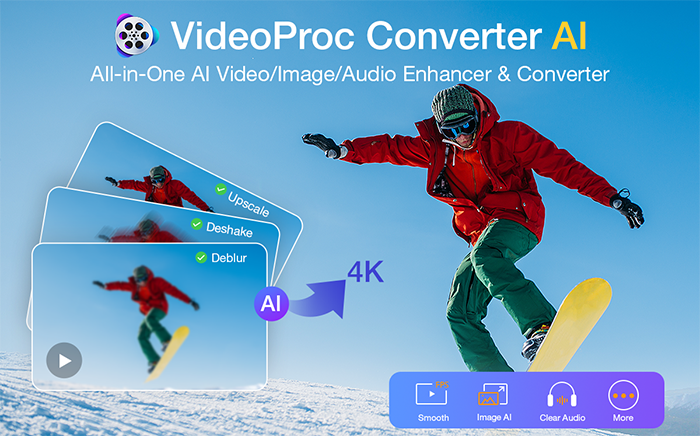
Cameras are legendary imaging powerhouses, but even great gear has limits in real-world shooting. Noise in low light, resolution drops in Super 35 crop mode, and micro jitters from handheld B-roll can make post-production challenging. Most NLEs offer tools to fix these issues, but heavy manual tweaking often delivers mixed results and strains your hardware. That’s why I use VideoProc Converter AI as a prep and enhancement tool. It cleans, deblurs, denoises, and stabilizes my clips before editing, lets me apply quick adjustments when needed, and post-processes the final output, ensuring every shot is cleaner, steadier, and fully 4K-ready before it hits the timeline or is shared.
Grab VideoProc Converter AI Lifetime License 62% Off in the Limited-Time Offer
For a limited time, the community members can secure a Lifetime License of VideoProc Converter AI at an exclusive discount. Choose the plan that’s right for you:
Both plans include comprehensive benefits:
Claim 62% off the Lifetime License – one payment, free updates forever >>
Canon will have a major announcement on Feb 4. We will get:
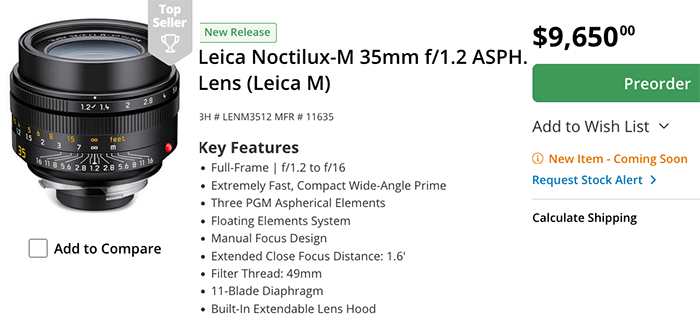
For barely 10k you can now preorder this new Leica Noctilux 35mm f/1.2 lens at BHphoto (Click here).