First review of the upcoming new Ricoh GR IV
Samuel tested the new Ricoh GR IV. And I think this camera is going to sell hot!

Samuel tested the new Ricoh GR IV. And I think this camera is going to sell hot!
Three companies with completely different endings:
Kodak once dominated the global photography market, inventing the first consumer-friendly camera and giving the world the “Kodak Moment.” At its peak, it held over 80% of the U.S. film market. Ironically, Kodak also invented the first digital camera—but leadership shelved it to protect film profits. As the world went digital and smartphones replaced dedicated cameras, Kodak failed to adapt. After years of decline and missed opportunities, it filed for bankruptcy in 2012, a cautionary tale of innovation ignored.
Olympus, best known for its high-end optics and medical equipment, faced a different kind of crisis. In 2011, CEO Michael Woodford uncovered a $1.7 billion accounting fraud hidden for decades. When he blew the whistle, he was fired and forced to flee Japan. The scandal rocked the corporate world, led to mass resignations, and exposed systemic issues in Japanese corporate governance. Olympus survived—but only after a painful reckoning and full internal restructuring.
Fujifilm, Kodak’s longtime rival, took a radically different path. When film began to die, Fujifilm didn’t cling to the past. Under bold leadership, it pivoted aggressively—repurposing its chemical expertise into cosmetics, pharmaceuticals, and digital technology. It shut down film plants, diversified rapidly, and emerged as a highly profitable, multi-sector innovator. Fujifilm’s transformation is now considered a textbook example of corporate reinvention done right.
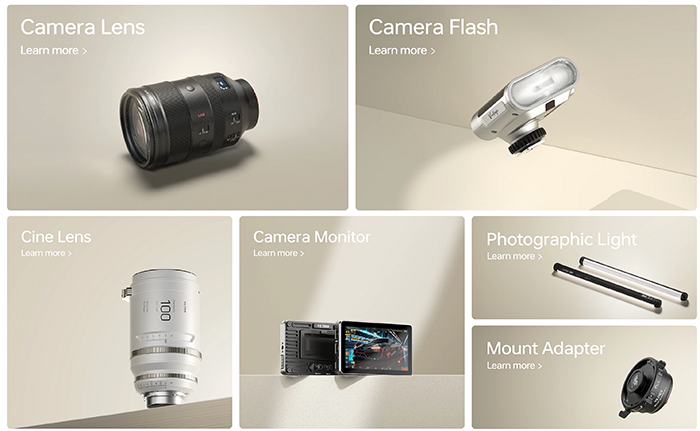
ThePhoBlographer chatted with the Viltrox management. And when the editor asked about a possible Viltrox camera this is the answer they gave:
As for cameras, while our current focus remains firmly on lens development, we are actively exploring adjacent technologies that enhance the photographic experience. Our commitment is to create a seamless and responsive ecosystem for creators—and we will continue to innovate with that mission in mind.
I think it’s only a matter of time before Viltrox and other Chinese companies start producing their own mirrorless cameras. And that would be great news for us, because I expect them to bring lots of affordable innovations!
When asked about making lenses for other mount systems this is what they said:
We are continuously evaluating opportunities to expand lens mount compatibility, including potential collaborations with the L-Mount Alliance and Fujifilm’s GF medium format system. Our R&D team is actively conducting in-depth technical research and feasibility assessments, while maintaining open communication with relevant partners.
As for the L-mount system, we expect to have a clearer update on our progress within this year. Looking ahead, we aim to bring Viltrox lens solutions to more camera systems and serve a broader community of photographers worldwide.

I already told you that Sigma will announce a new 200mm f/2.0 E/L mount lens on August 19. But there’s a curious surprise: Venus Optics will also soon announce a new FE 200mm f/2.0 lens, and we already have a picture of it!
Laowa 200mm f/2.0 specs:
There is no information on the price yet, but I’m sure it will cost less than the Sigma, although I expect the Sigma lens to be optically superior.
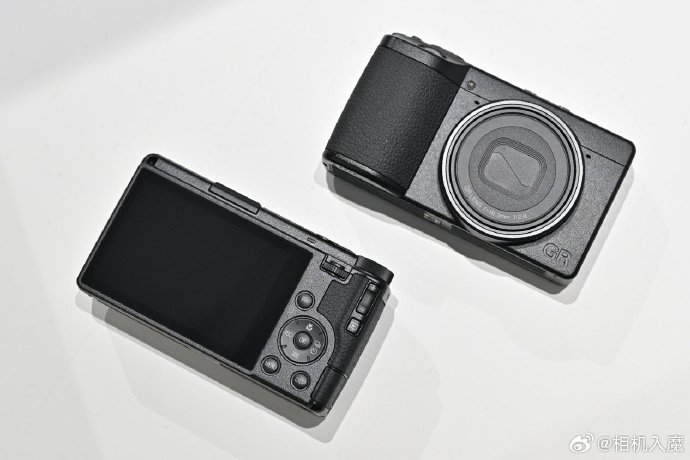
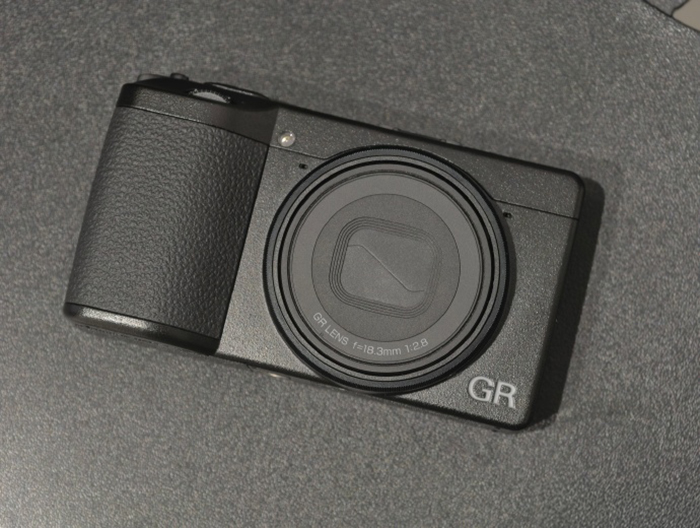
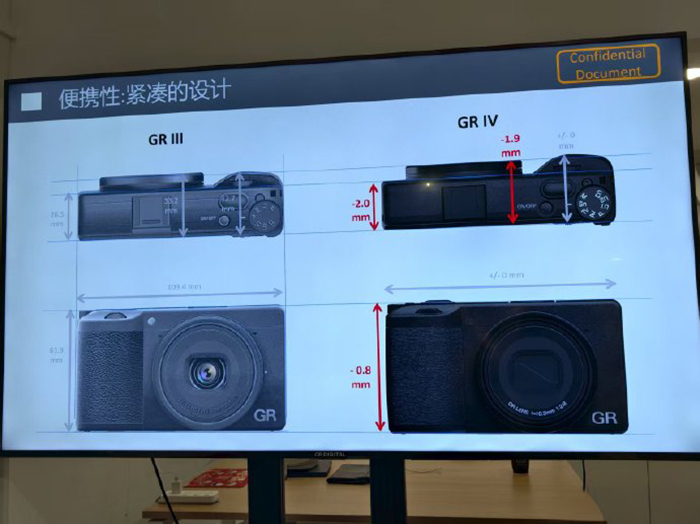
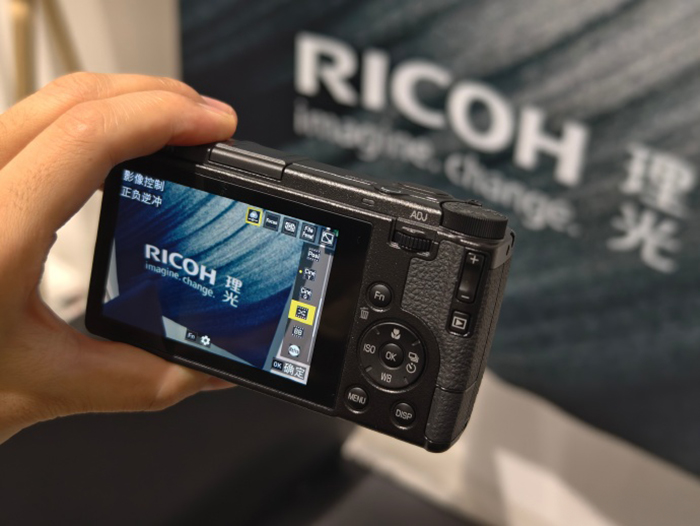
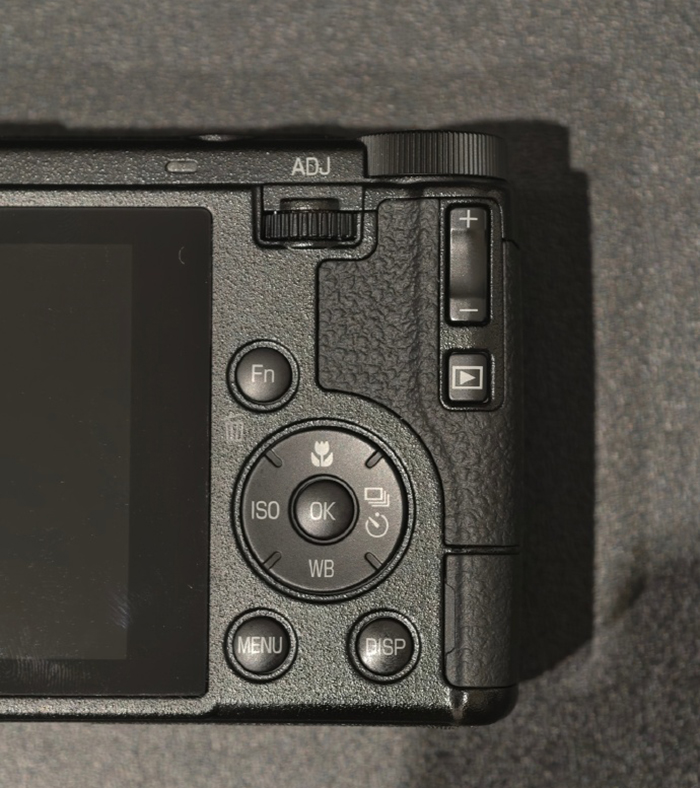
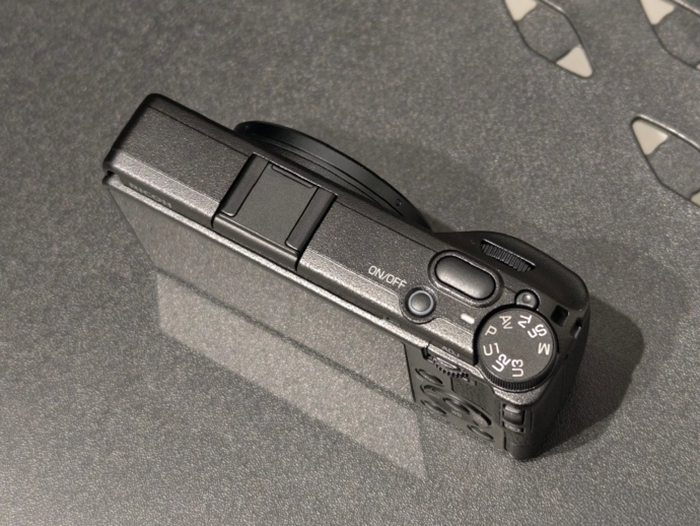
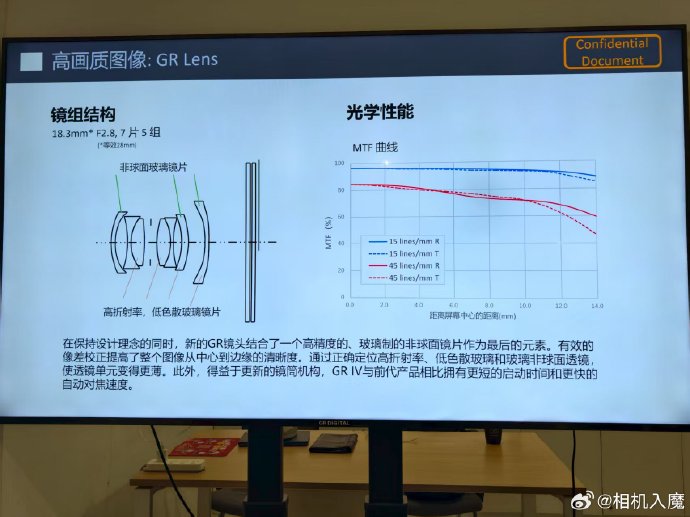
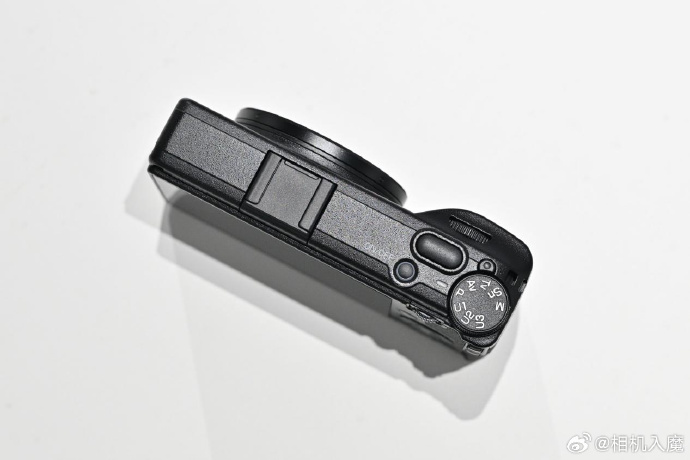
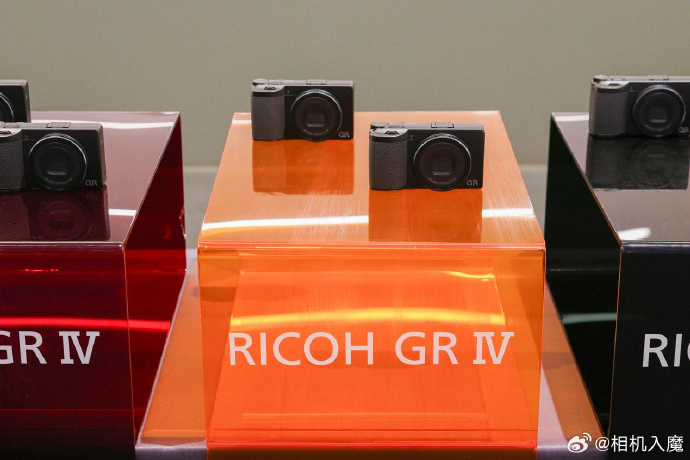
The new Ricoh GRIV has been presented at a chinese press event and someone leaked out all the info. We now have full images and specs to share:
Improvements over the GRIII:








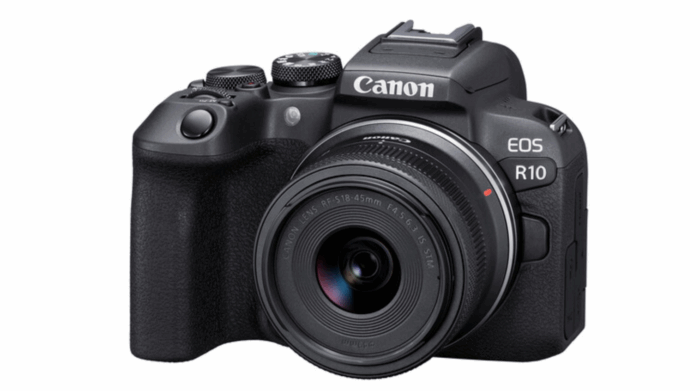
This highly reliable ranking from BCN reveals the top 10 best-selling cameras in the Japanese market for July:
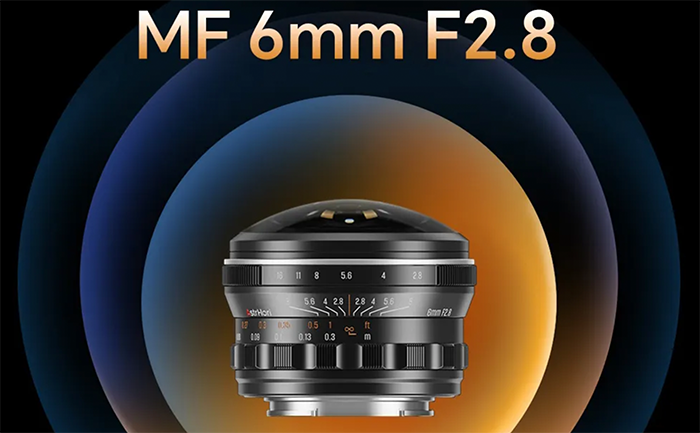
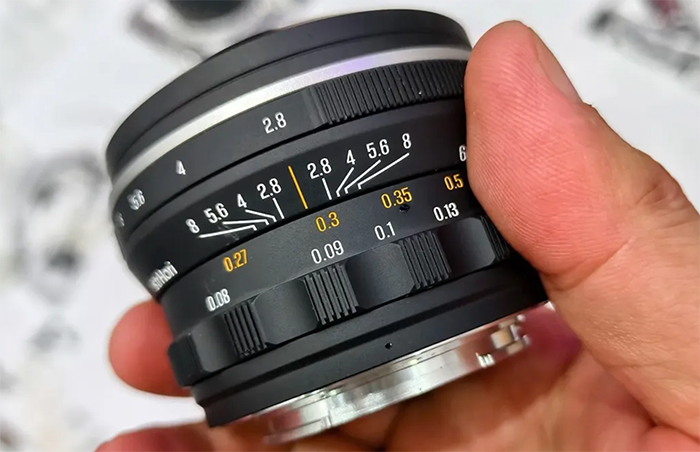
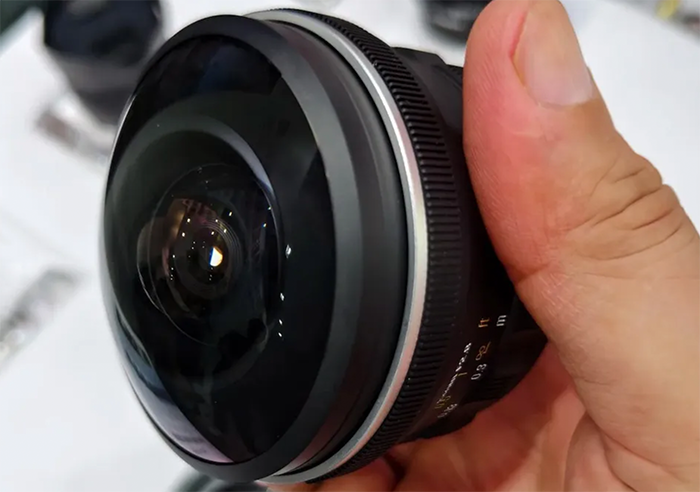
AstrHori is preparing to launch a new 6mm f/2.8 ultra-wide lens for APS-C cameras, and it looks set to be available in Sony E, Canon RF, Nikon Z, and L-mount versions. Like other lenses from the brand, it’s fully manual with no electronic contacts—but thanks to the extremely wide field of view and deep depth of field, focusing should be straightforward.
This upcoming model will complement AstrHori’s recently released 6.5mm f/2 circular fisheye lens, which offers a dramatic 192-degree field of view, extra-low dispersion glass, and a 9-blade aperture. That lens is currently priced at just $129, suggesting the 6mm f/2.8 could also come in at an attractively low price.
While no official release date has been confirmed yet, the lens already appears close to production, so its retail debut likely isn’t far off.