
PetaPixel’s camera-brand power ranking
Here is PetaPixels ranking:
- 1. Sigma (Grade: A+)
The unanimous winner of 2025. Sigma was praised for having a “tremendous year,” releasing nine non-cinema lenses including a “flawless” 135mm f/1.4 and an affordable 200mm f/2 that excels at sports and portraits. They also shocked the hosts with a new camera (referred to as the “BF”) featuring an autofocus algorithm that rivals Sony’s real-time tracking, a massive leap for the brand. - 2. Nikon (Grade: A- / B+)
Nikon maintained a strong reputation with the release of the Z50 II, which was described as “insanely well-rounded,” and the Z6 III. They capitalized on their RED acquisition to launch a cinema camera (“ZR”) and updated the legendary 24-70mm f/2.8 to “improve on greatness.” While the flagship Z9 is showing its age (“long in the tooth”), the ecosystem remains robust. - 3. Sony (Grade: A- / B+)
Sony received a late-year grade bump due to the release of the Alpha 7 V. The camera features a 33MP partially stacked sensor (allowing for pre-capture and 90% of the A1 II’s speed at half the price) and a 4-axis multi-angle screen. While criticized for a stagnant entry-level lineup and “boring” designs, their optical engineering remains elite with releases like the 100mm Macro and 50-150mm. - 4. Canon (Grade: B / A-)
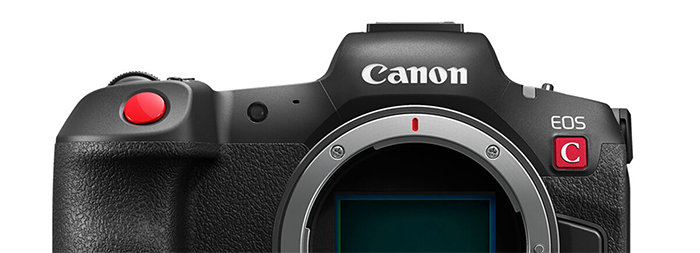
Canon had a polarized year. The hardware was excellent, featuring the EOS R6 Mark III and the cinema C400 (finally adding Open Gate video). They also released a fun, unique 45mm f/1.2 lens. However, the hosts penalized the brand heavily for its “anti-consumer” stance on blocking third-party autofocus lenses, preventing them from taking the top spot despite excellent first-party releases. - 5. Hasselblad (Grade: B)
A surprise addition to the grading list. Hasselblad impressed with the X2D II, featuring incredible 10-stop IBIS that makes shooting 100MP medium format handheld practical. They also released a new 35-100mm zoom. The brand was praised for its industrial design and distinct identity, even if it remains a luxury niche product. - 6. Panasonic / Lumix (Grade: B-)
Panasonic started the year strong with the S1 II, a powerhouse for video, and firmware updates adding eye-detect box AF. However, their year “petered out” in the second half. The hosts felt that for wildlife and sports, Panasonic’s autofocus still lags behind the competition, making it hard to recommend as a truly versatile hybrid system compared to Canon or Sony. - 7. Fujifilm (Grade: B-)
Fujifilm saw the biggest drop in grades. The year was described as “stagnant,” with the brand repackaging existing tech into bodies like the X-M5 and the controversial X-Half (half-frame camera). Autofocus performance for video was a major complaint (stopping halfway to the target), and no significant new lenses were released in the latter half of 2025. - 8. OM System (Grade: C+)
OM System was described as “coasting.” The release of the OM-5 Mark II was viewed as a lazy update, primarily adding USB-C for compliance without significant innovation. While the new 50-200mm lens was praised as unique and high-quality, the hosts warned that the company needs to show more life to stay relevant. - 9. Leica (Grade: C / L)
Leica received an “L” grade (for Leica) because they operate outside normal rules. They released the Q3 Monochrom, which was beloved, but also the M11-D (a rangefinder with an EVF) which the hosts felt lost the “soul” of the system. They remain a luxury brand that ignores market trends to focus on niche, prestigious experiences. - 10. Tamron (Grade: D+)
Ranked as the loser of the year. Tamron’s strategy shifted toward manufacturing lenses for other brands (OEM work) rather than releasing exciting branded glass. Their only notable release, a 25-200mm super-zoom, was described as having “no excitement” and was completely upstaged by Sigma’s superior offerings.